
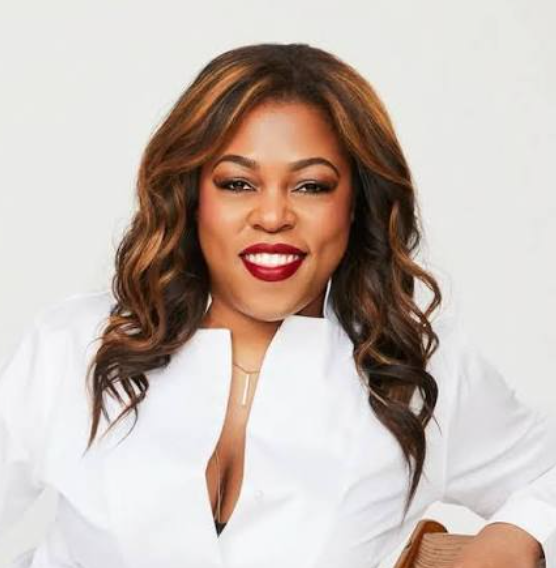
Let’s Talk Hair
with Celebrity Hair Stylist, Monae Everett
August 14th, 2026
by Arianna Freels
Arianna talks with celebrity hair stylist Monae Everett. We talk about her early begininngs in hair, changes in the hair industry and words of advice to up and coming stylists.
What’s your go-to style?
I love natural-looking hairstyles that accentuate the client’s features. Even when the style is dramatic, I still want the person wearing it to shine through. The hair should enhance their beauty, personality, and overall look—not compete with them.
What first made you interested in working with hair?
I was drawn to the transformation. Hair can change how someone carries themselves before they ever say a word. I loved being able to create with my hands while helping people see themselves differently. Once I realized hairstyling could take me into fashion, entertainment, editorial, education, and business, I knew I wanted to build a real career around it.
How did you first learn how to do hair? Did you have any inspirations?
I learned through cosmetology school, practice, assisting, taking classes, and paying close attention to how successful hairstylists built their careers. I was always studying—not only the finished hairstyle, but the technique, professionalism, and business behind the work.
Tabatha Coffey, Ted Gibson, Jen Atkin, and Tippi Shorter have all inspired me in different ways. I respected how they expanded beyond simply doing hair and created careers with influence, visibility, and longevity.
What is your hair “ick”?
One of my biggest frustrations is the ongoing fight for respect between clients and hairstylists. Clients deserve professionalism, honesty, and a quality experience. Hairstylists also deserve clear communication, appropriate compensation, and respect for our time and expertise. It should not feel like the two sides are constantly working against each other.
My other major “ick” is seeing brands and companies celebrate diversity publicly while their leadership teams, creative departments, and decision-making rooms remain largely unchanged. Diversity cannot only appear in the campaign image. It must also exist among the people being hired, promoted, trusted, and given the power to make decisions.
What is something you wish you had learned earlier about entering the industry?
I wish I had understood sooner that talent is only one part of building a successful career. You can be incredibly talented and still remain overlooked if you do not understand positioning, relationships, visibility, and how opportunities are actually created.
I also wish I had understood how little diversity exists at the highest levels of the industry. When you do not see many people who look like you in those spaces, it is easy to assume that you simply need to work harder. The truth is that skill matters, but access and relationships matter too. Learning how to navigate both could have saved me years of frustration.
What advice do you have for upcoming hairstylists, especially Black women?
Working on productions, at Fashion Week, and with celebrities is absolutely possible, but it requires more than being good at hair. You need a clear strategy for developing your portfolio, building relationships, finding opportunities, presenting yourself professionally, and turning one job into the next.
I encourage hairstylists to invest in a qualified, paid mentor who provides clear deliverables. Do not spend years trying to piece everything together from random social media posts or vague advice. Know exactly what you are paying to receive and what outcome you are working toward.
Continue taking classes, even after you become confident in your skills. Classes are not only places to learn techniques; they are also places to meet educators, brand representatives, and other artists. Some of the most valuable opportunities begin with a genuine professional relationship.
What changes have you noticed in the hair industry over the years?
Social media has completely changed how hairstylists learn, promote themselves, and connect with potential clients. It has made education and opportunity more accessible, especially for artists who may not live in major beauty or fashion markets.
However, it has also created confusion between visibility and expertise. Someone can become popular without having the technical foundation or professional experience needed to sustain a career. A large following may get you noticed, but it cannot replace preparation, versatility, reliability, or knowing how to behave on set.
Clients have also become more informed and vocal. They are asking better questions, researching stylists, and expecting professionals to understand different textures. That accountability is necessary, but the industry still has a long way to go.
What do you want to see in the future of the hair, fashion, and editorial industries?
I want diversity to exist at every level. I want to see it among the hairstylists, department heads, educators, executives, photographers, editors, creative directors, and other people deciding who gets access and opportunity.
I also want the ability to work with every hair texture to become an expected professional standard. Clients with textured hair should not have to arrive on set worried that no one will know how to care for or style their hair. No one should be treated like their texture is an inconvenience or an unexpected problem.
Real inclusion means people are considered from the beginning—not after someone realizes there is a gap.
What is a memorable experience that helped shape who you are personally and professionally?
Recently leading the hair team for the House of Aama show during Fashion Week was an especially meaningful experience. I was responsible for helping translate the designers’ creative vision through hair while leading a team and overseeing approximately 40 finished looks.
Fashion Week moves quickly, and there is very little room for hesitation. You have to communicate clearly, solve problems immediately, support your team, and protect the integrity of the creative direction—all while working against the clock.
That experience reminded me how much my career has evolved. I was not simply backstage executing someone else’s vision; I was trusted to lead, make decisions, and help shape how the collection was presented. It reinforced that leadership is not about having the loudest voice. It is about being prepared, staying calm, and creating an environment where everyone can do their best work.
What types of clients are your favorite to work with?
I love working with creative clients who are open to changing their length, texture, color, and overall look. I enjoy collaborating with someone who is willing to explore but still wants to feel like themselves.
The best work happens when there is trust. I want clients to know that I will listen to them, protect the health of their hair, and bring ideas that complement their features, personality, and larger creative vision.
What is the best advice you have ever received?
Relationships may help open the door, but preparation determines what happens once you enter the room. Talent matters, but so do consistency, professionalism, and the way people feel when they work with you.
People remember beautiful work, but they also remember whether you were prepared, whether you respected the team, and whether you made a difficult day easier or harder. That understanding has helped me build a career based not only on what I can create, but on the experience I bring to every room.